About Us
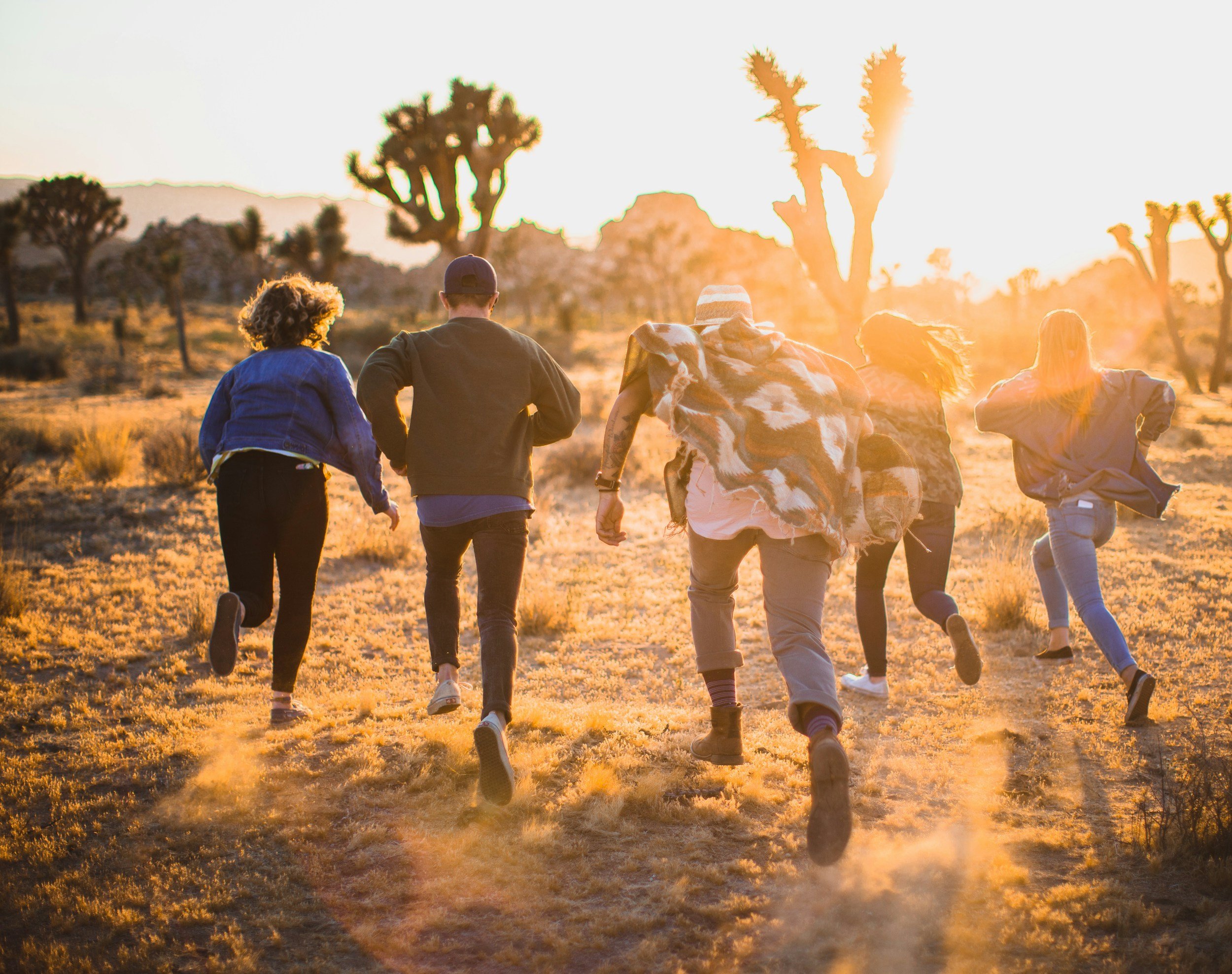
Every one of us begins life as a child.
Some of us grow up with the time, safety and resources to explore who we are and who we might become. We have stable homes, trusted adults, experiences, encouragement and enough room to imagine a future before we have to worry too much about surviving the present.
Others begin with far less.
And even young people who appear to have every advantage can struggle in ways the people around them may never fully see.
What young people share are some remarkably human needs. They need to belong. They need people who believe in them. They need places where they are known and welcome. They need chances to try things, fail at things, become good at things and discover what makes them curious about the world.
Most of all, they need time to become themselves.
Growing up has always been complicated. Today, young people are encountering very adult problems at increasingly young ages. Mental health challenges, family instability, financial pressure, social isolation and an increasingly dangerous drug supply can intersect with the ordinary risk-taking and difficult seasons of adolescence in ways that leave very little margin for error.
And yet we still expect young people to navigate much of this on their own.
Wesley
My son Wesley was 19 years old and still discovering who he was and what his life might become.
He was a funny, curious, kind and adventurous young man. He played baseball and football. He skied. He rode horses. He had just bought his first car, had a job and loved music. He had friends, interests, struggles, ideas and experiences. He was loved deeply.
He was becoming.
On February 20, 2022, Wesley died after taking a pill containing fentanyl.
His death changed my life in ways very few people will ever fully understand — and, honestly, I am grateful that most people will never have to.
But The Westward Foundation isn't being built simply because Wesley died. It is built because Wesley lived.
His nineteen years taught me how much possibility exists inside a young life — and how much can still be unknown at nineteen.
There are things I will always wish had been different. More time to listen and be present. More understanding. More chances for someone to recognize what he needed. More places where he could have found help and belonging without first having to know exactly what to ask for.
And even though he was still generous with hugs as he got older, I will always wish for more of those, too.
I cannot give Wesley more time. But I can help put more people, places and possibilities within reach of the young people who still have that time.
Why Westward
After decades working in healthcare, I've had the privilege of seeing extraordinary people and organizations doing remarkable work. I've also seen what happens when good help exists, but the systems around it don't connect.
Healthcare is in one place. Behavioral health is somewhere else. Schools carry one piece. Families carry another. Nonprofits, treatment providers, public agencies, coaches, mentors and community organizations each hold different parts of the solution.
And young people can get stuck somewhere in between.
I don't believe the answer is to recreate everything that already exists. I believe we can become much better at connecting the pieces.
The Westward Foundation is being built to work alongside people and organizations already doing good work — helping bridge the gaps between them and creating what is still missing.
Sometimes what a young person needs is healthcare or behavioral health support. It may be harm-prevention education, naloxone or someone who recognizes that substance use has become dangerous.
But prevention can also look much less like an intervention. It can mean being acknowledged and understood, having something meaningful to do, and having somewhere to belong.
Long before The Westward Foundation had a name, I kept returning to a simple idea: we don't always need to know the entire way forward.
We may need someone willing to walk beside us while we find the next step. When what we're carrying becomes too heavy, we may need help carrying it for a while. At other moments, encouragement, a new experience or simply another path placed in front of us can be enough to help us move forward.
Progress often happens one moment at a time.
That philosophy has shaped the way I think about young people and the way I believe Westward should work. We aren't here to decide who a young person should become. We want to create the kind of place where they have enough safety and room to discover that for themselves — without having to arrive in crisis before someone has something to offer them.
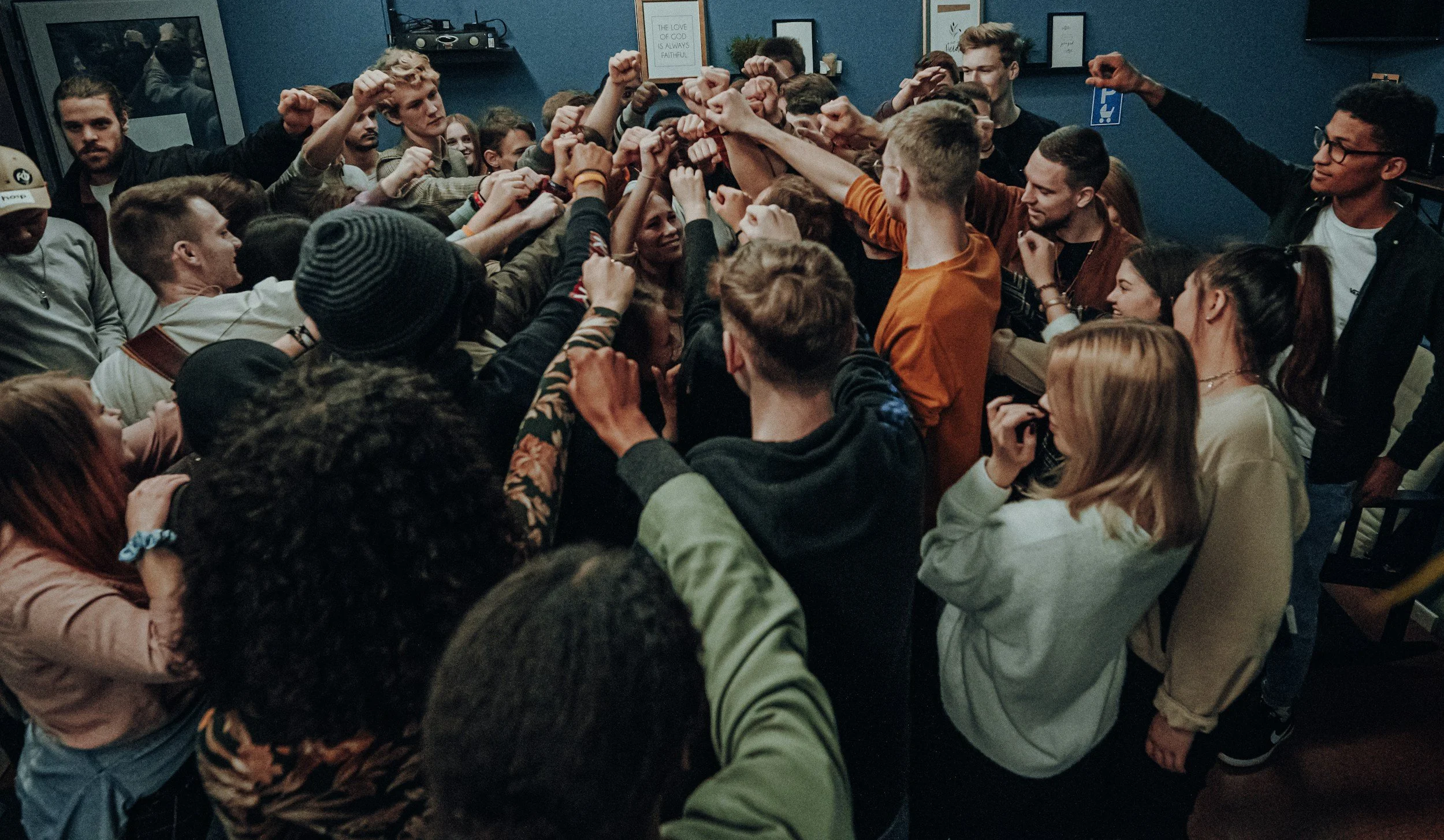
We imagine a community where young people can belong, explore, ask for help, try something new, discover what interests them and begin to understand what they are capable of. A place where there is room to be uncertain about what comes next, and people willing to help them find their way.
Westward isn't a destination. It's direction — a compass while young people navigate the complicated journey toward adulthood, surrounded by people and experiences that help them discover their own way forward.
Discover a life worth staying for — and build a life you don't need to escape from.
Partner With Us—Shape the Future
Ready to co-create transformative impact? Complete our quick inquiry form and let’s explore how we can work together to drive lasting change.